

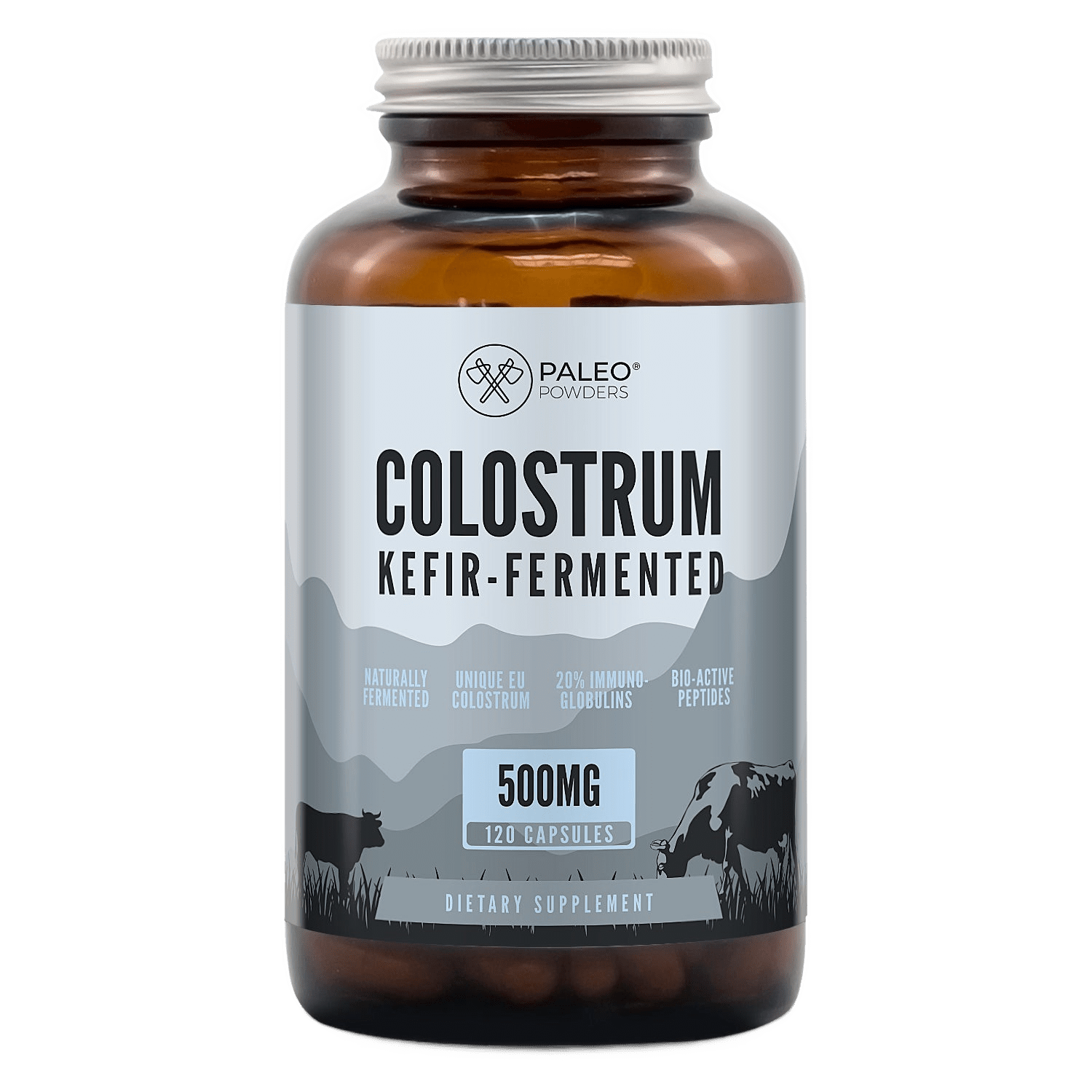
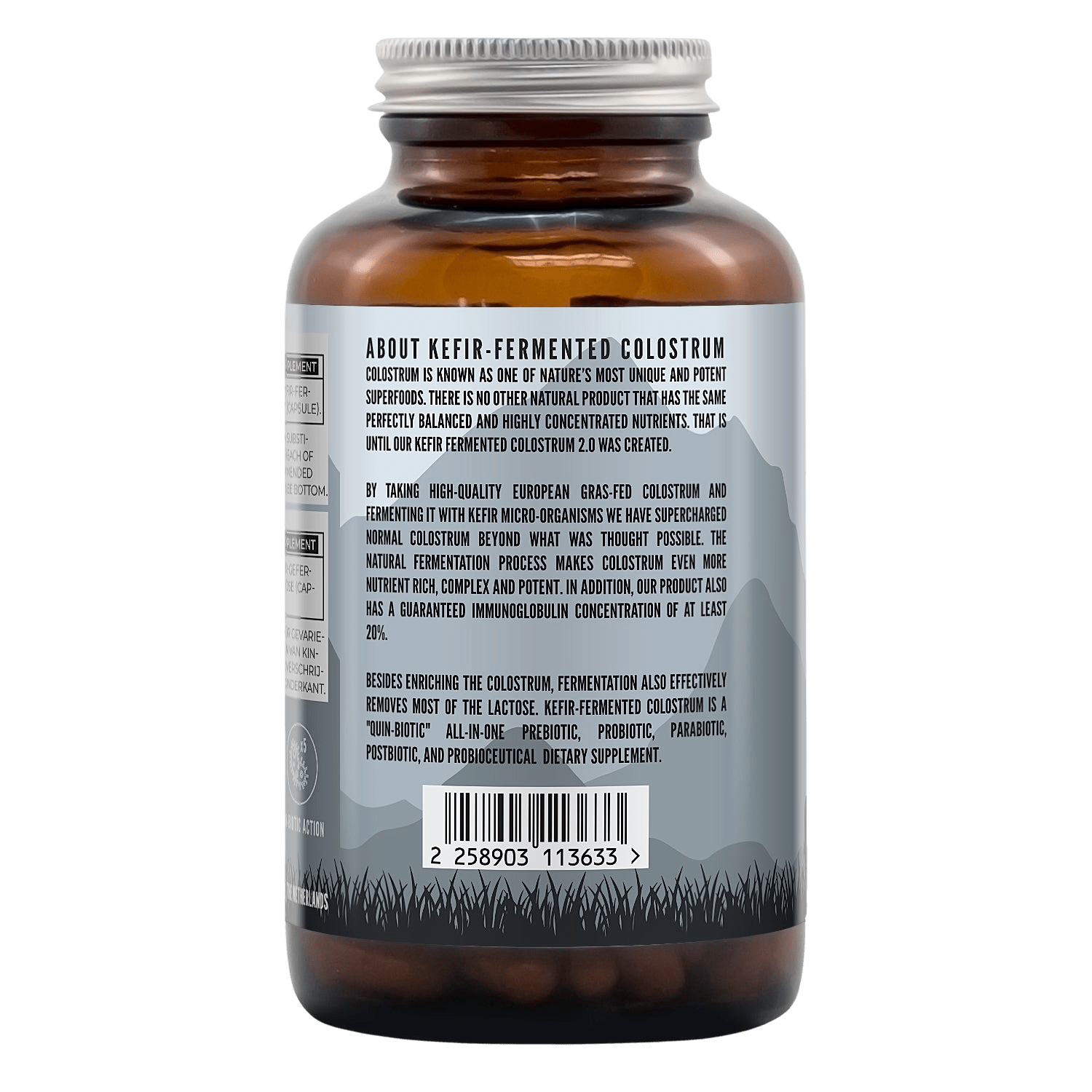
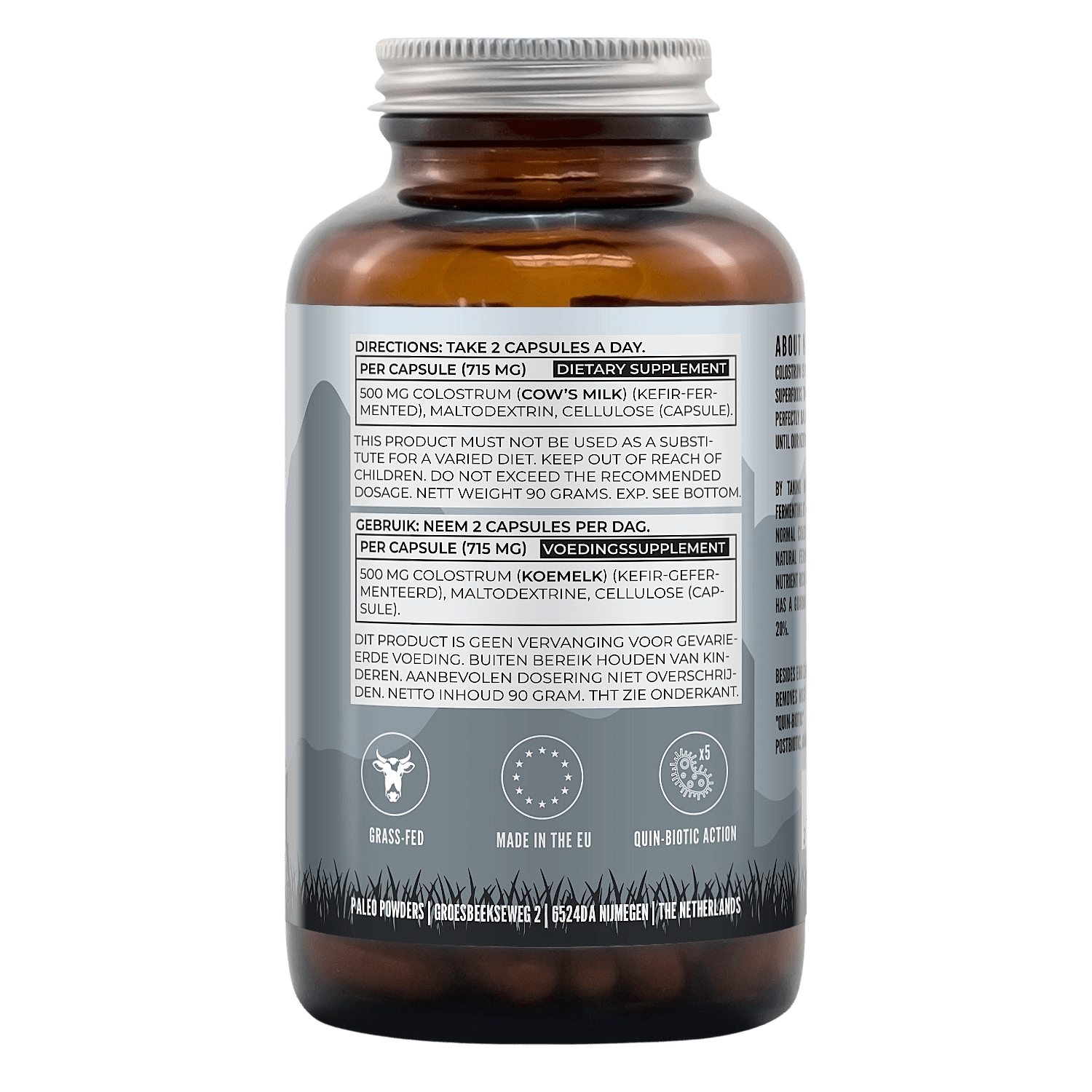
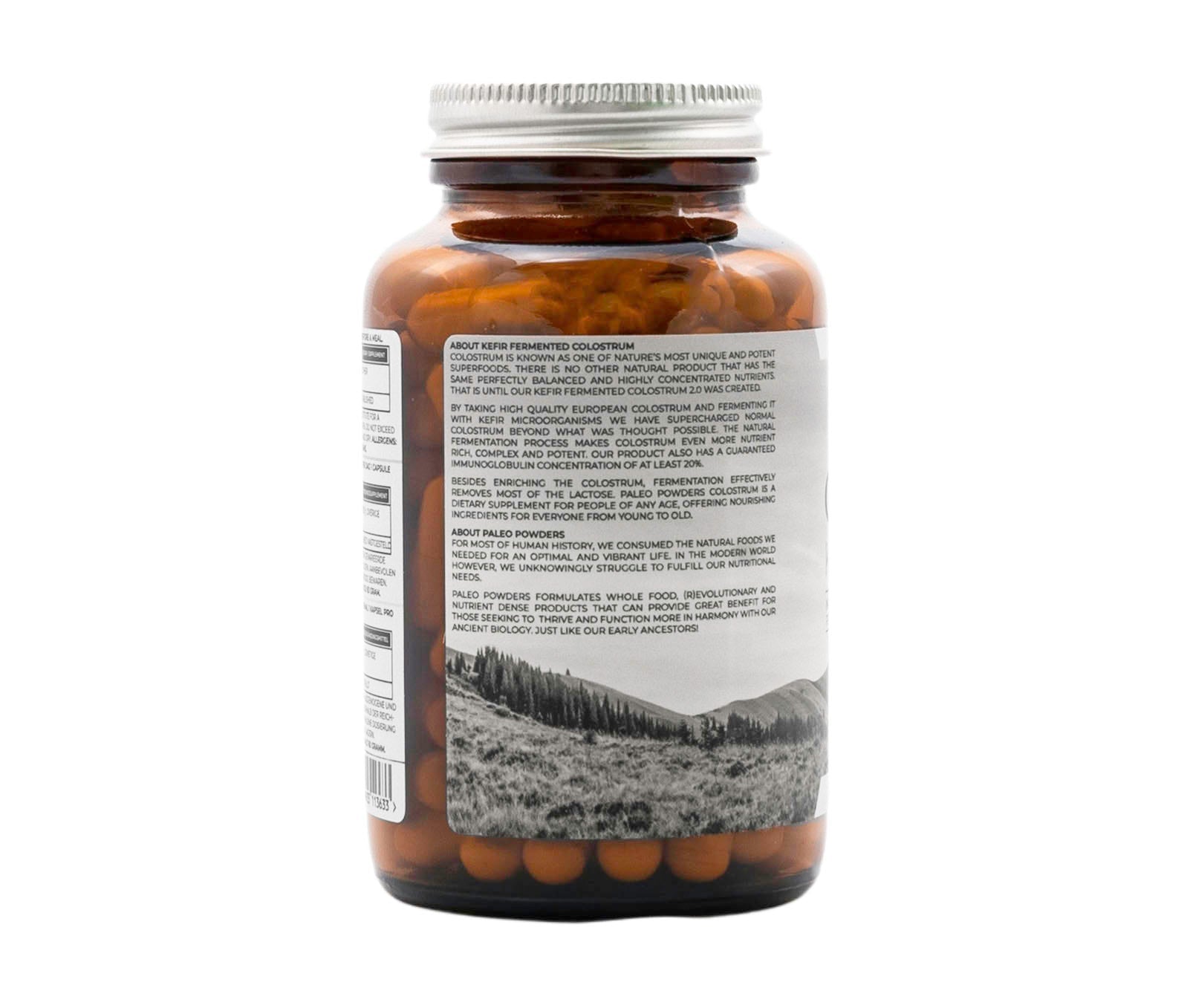

Colostrum - Kefir Fermented - 120 capsules
Colostrum is the first milk a newborn calf receives from its mother. Paleo Powders bovine colostrum is a highly nutritious food source with a unique composition that includes immunoglobulins, interferons, growth factors, interleukins, lactoferrin, vitamins, amino acids, and minerals.
Colostrum: A Unique Composition
Bovine colostrum closely resembles human colostrum and contains many of the same components. As a product of a long evolutionary process, colostrum delivers an abundance of remarkable substances. For newborns, this powerful nourishment supports healthy early growth. As a dietary supplement, bovine colostrum provides valuable nutrients for both young and old. Few natural products offer such a concentrated and balanced spectrum of nutrients.
Colostrum: Key Benefits
- Contains powerful immune factors including immunoglobulins, lactoferrins, PRPs (proline-rich polypeptides), cytokines, and glycoproteins
- Also contains bioactive minerals, essential vitamins, enzymes, and amino acids
- One of the richest natural sources of antibodies
- Free from fillers, hormones, and antibiotics; GMO-free
Bovine colostrum is a complete food source that is so nutritious and complex that it can truly be described as a nutritional symphony. Its nutrients work together synergistically. Beyond being a nutrient source, colostrum also functions as an advanced signaling system throughout the body. It interacts closely with systems such as the endocrine system and the immune system.
Colostrum 2.0: Fermentation with Kefir
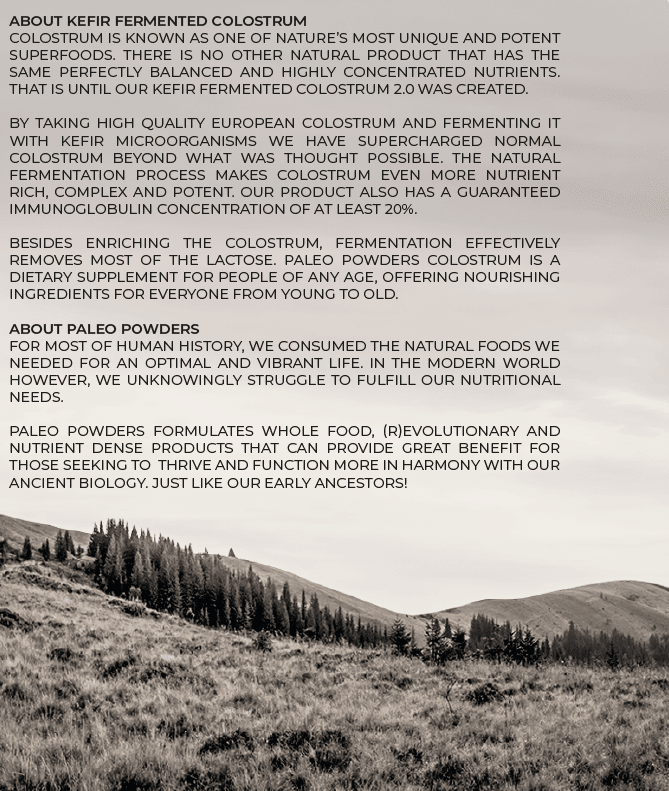
For a long time, it was believed that colostrum could not be improved further—until fermentation with advanced kefir cultures was introduced. The broad spectrum of microorganisms in kefir culture acts like small bioreactors, creating a wide range of compounds. These include numerous bioactive peptides, many of which are unique to kefir. These active and very small biopeptides perform many functions throughout the human body.
The original benefits of colostrum remain intact during fermentation. As a result, kefir-fermented colostrum becomes an exceptionally powerful nutritional product.
A Quin-Biotic Supplement
This full-fat, high-quality colostrum containing at least 20% immunoglobulins is fermented for 48 hours using a specific starter culture. Traditional kefir grains from Romania are also used to enhance the process.
After fermentation, more than 300 new unique bioactive peptides are formed. The result is a quin-biotic (five-component) supplement. “Quin-biotic” refers to an all-in-one system: prebiotic, probiotic, parabiotic, postbiotic, and probioticaceutical.
This is not a laboratory formulation made from isolated compounds. Kefir-fermented colostrum is powerful precisely because its components and microorganisms are cultivated and transformed together. The symbiotic and synergistic interactions that occur during fermentation fully realize the remarkable complexity potential of natural foods.
Prebiotic, Probiotic, Parabiotic, Postbiotic, and Probioticaceutical: All-in-One
Prebiotic: Low-molecular-weight peptides (<3000 Da) together with a diverse selection of polysaccharides, including kefiran, contribute to multiple prebiotic effects.
Probiotic: Probiotic effects are attributed to intact and viable microorganisms including Lactobacillus species (L. acidophilus, L. kefiranum, L. kefir, L. parakefir, L. helveticus, L. delbrueckii – bulgaricus, L. casei), Saccharomyces species, Lactococcus lactis, and C. lipolytica. These strains originate from traditional Romanian kefir grains, which reportedly contain a large number of CFUs and dozens of different yeast and bacterial species.
Paraprobiotic: Parabiotic effects are associated with inactivated microbial cells from probiotic organisms. These include cellular components from broken or intact cells such as teichoic acids, peptidoglycans, surface proteins, and crude cellular extracts with complex biological compositions.
Postbiotic: Postbiotic effects result from short-chain fatty acids produced by microorganisms during fermentation of longer-chain fatty acids. Additional effects come from biosurfactants and enzymes.
Probioticaceutical: Certain functional factors derived from probiotics are known to regulate host responses and support physiological targets such as intestinal homeostasis. These include a wide variety of metabolites and biomolecules such as peptides, indole derivatives, and bacteriocins including nisin, reuterin, and pediocin.
Additional Compounds in Colostrum
Beyond bioactive peptides, hundreds of other biomolecules can be found in kefir-fermented colostrum. Important components include probiotic microorganisms, free amino acids, organic acids, vitamins, immunoglobulins, lactoferrin, transfer factors, growth factors, enzymes, cytokines, PRPs, antioxidants, endorphins, interleukins, interferons, telomerase, transferrin, biotin, L-carnitine, melatonin, insulin, lysozyme, complement factors C3 and C4, orosomucoid, α-1-fetoprotein, α-1-antitrypsin, macrophage-activating factors (MAFs), lactoperoxidase, and xanthine oxidase.
The Power of Bioactive Peptides
Bioactive peptides are defined as amino acid sequences—either as isolated structures or within proteins—that are known to influence human physiological functions and health. Many of the physiochemical roles of naturally occurring low-molecular-weight dietary peptides are carried out by peptide sequences that are often embedded within parent proteins.
This biological activity extends beyond the traditional nutritional value of amino acids and proteins. Bioactive peptides function as messenger molecules and may play a role in regulating specific processes within the human body.
The Evolution of Fermented Dairy
Fermented foods and beverages likely helped facilitate the transition from hunter-gatherer societies to agricultural communities during the Neolithic revolution approximately 14,000 years ago. In many traditional cultures, fermented foods have remained a cornerstone of daily nutrition.
The human relationship with milk is particularly interesting. Humans were originally unable to digest milk until genetic mutations evolved that enabled lactose digestion. However, there is evidence that people were already consuming milk before these genetic adaptations appeared, presenting something of a chicken-and-egg scenario for researchers.
The earliest cave paintings suggest that our ancestors had a symbiotic relationship with cattle much earlier than once thought. This indicates that occasional consumption of dairy—or even colostrum—may not have been unusual.
Paleo-Compatible and Approved
Dairy products are not included in the strictest versions of the paleo diet. However, fermented dairy products are often accepted and appreciated in more flexible interpretations, depending on individual tolerance. Such products can almost be considered a separate food category because they differ significantly from non-fermented dairy.
Fermentation Makes the Difference
Fermentation transforms ordinary dairy into a fundamentally different product. Milk sugars are broken down and the milk becomes enriched in various ways. Potentially problematic components in dairy are converted during the fermentation process. A well-known example is the milk sugar lactose.
At the same time, fermentation increases both complexity and nutritional density. Yeasts and kefir bacteria produce additional nutrients during the process. The result is a more easily tolerated, richer, and more nutritious product. Fermentation can therefore be described as: “nutritional enrichment through beneficial microbial growth and enzymatic transformation of food components.”
A New Concept
Kefir is often considered the pinnacle of fermented foods. Not only does it make dairy easier to digest, but it also provides exceptional nutritional density and compositional complexity. For this reason, Paleo Powders applies kefir fermentation to colostrum—one of the most fundamental forms of nutrition.
Kefir-Fermented Colostrum
- Kefir-fermented colostrum contains 4.6 times more beneficial fats
- Kefir-fermented colostrum contains more than 65 times more low-molecular-weight peptides
- Kefir-fermented colostrum contains 66 times less lactose (approximately 5.5 mg per capsule)
Content
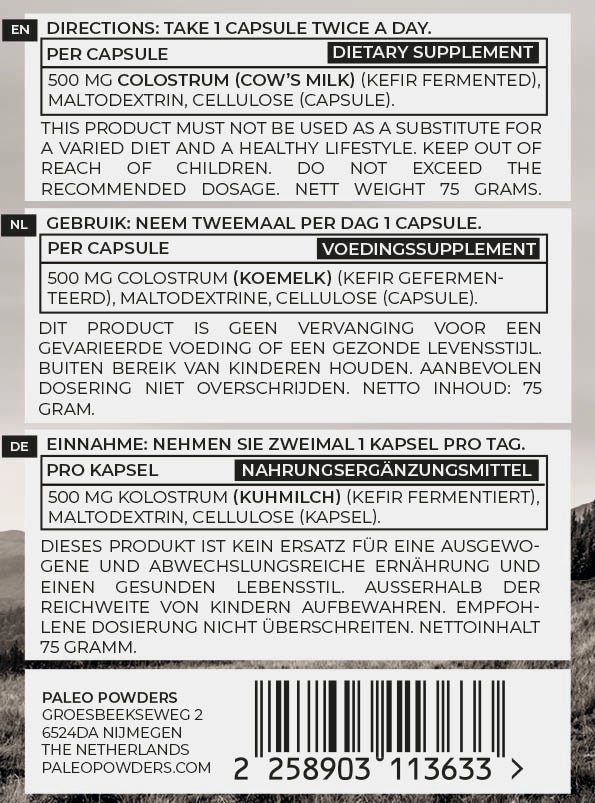
Instructions
Ingredients
Choose options