Bone broth and grass-fed beef protein: nutritional quality and background
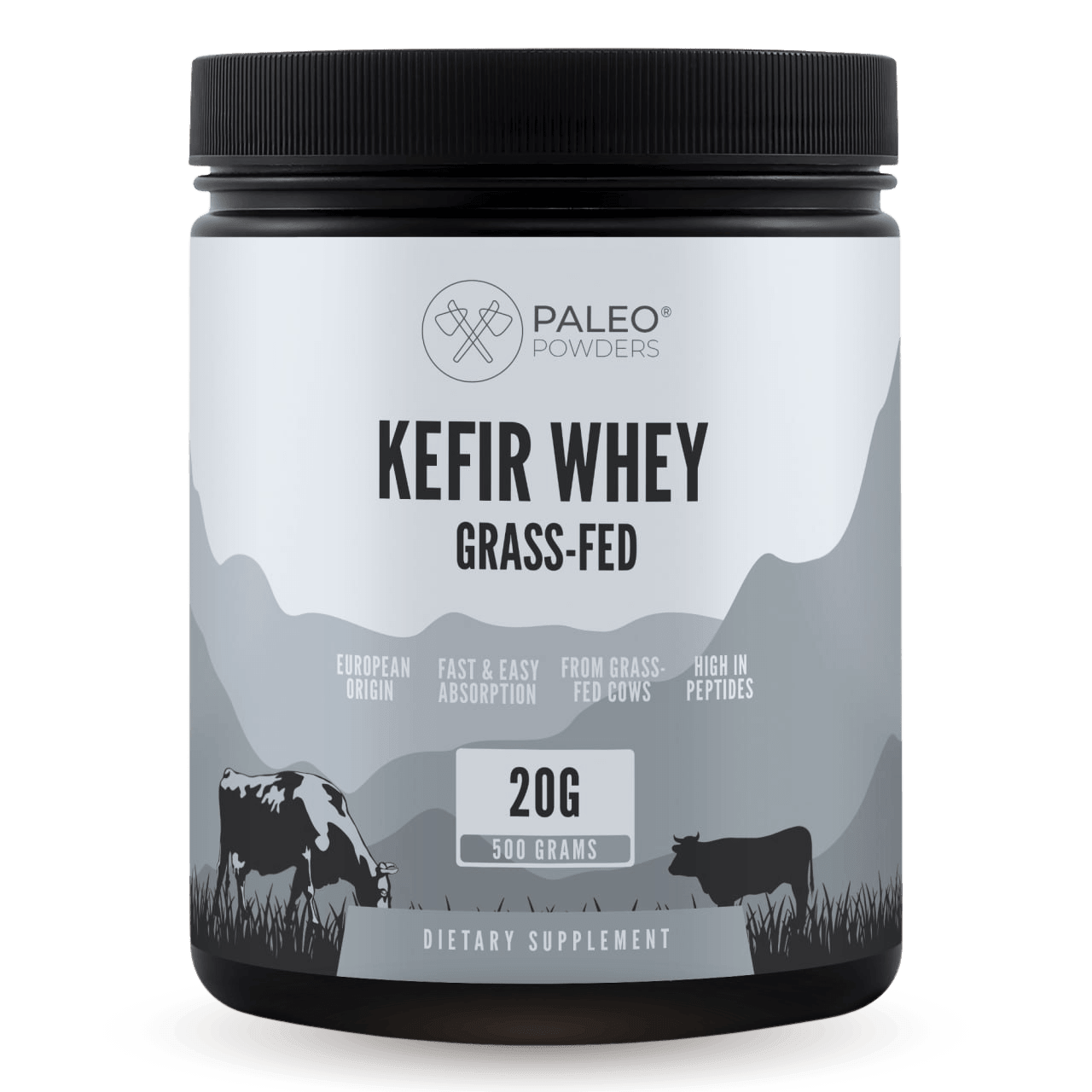
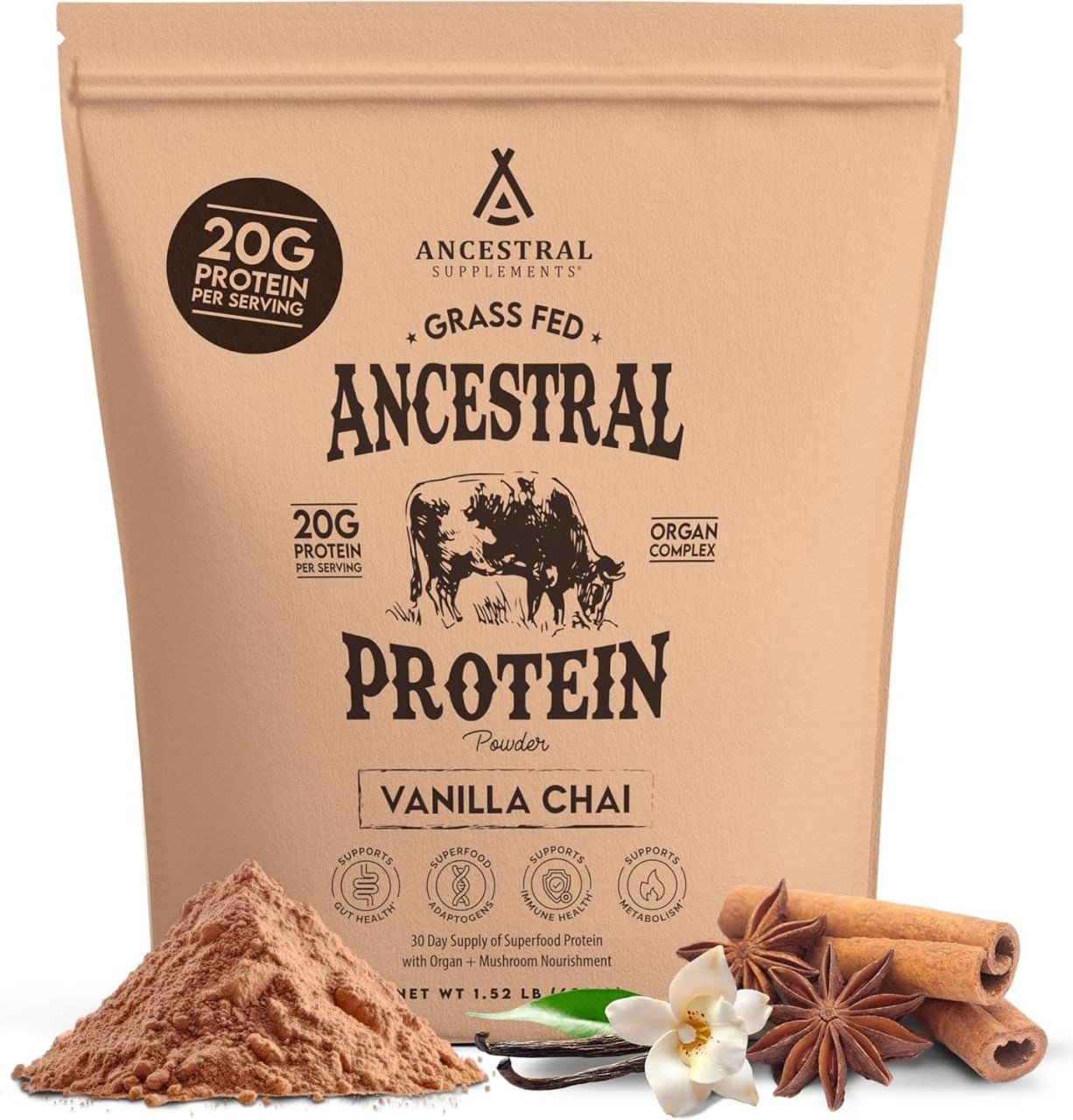
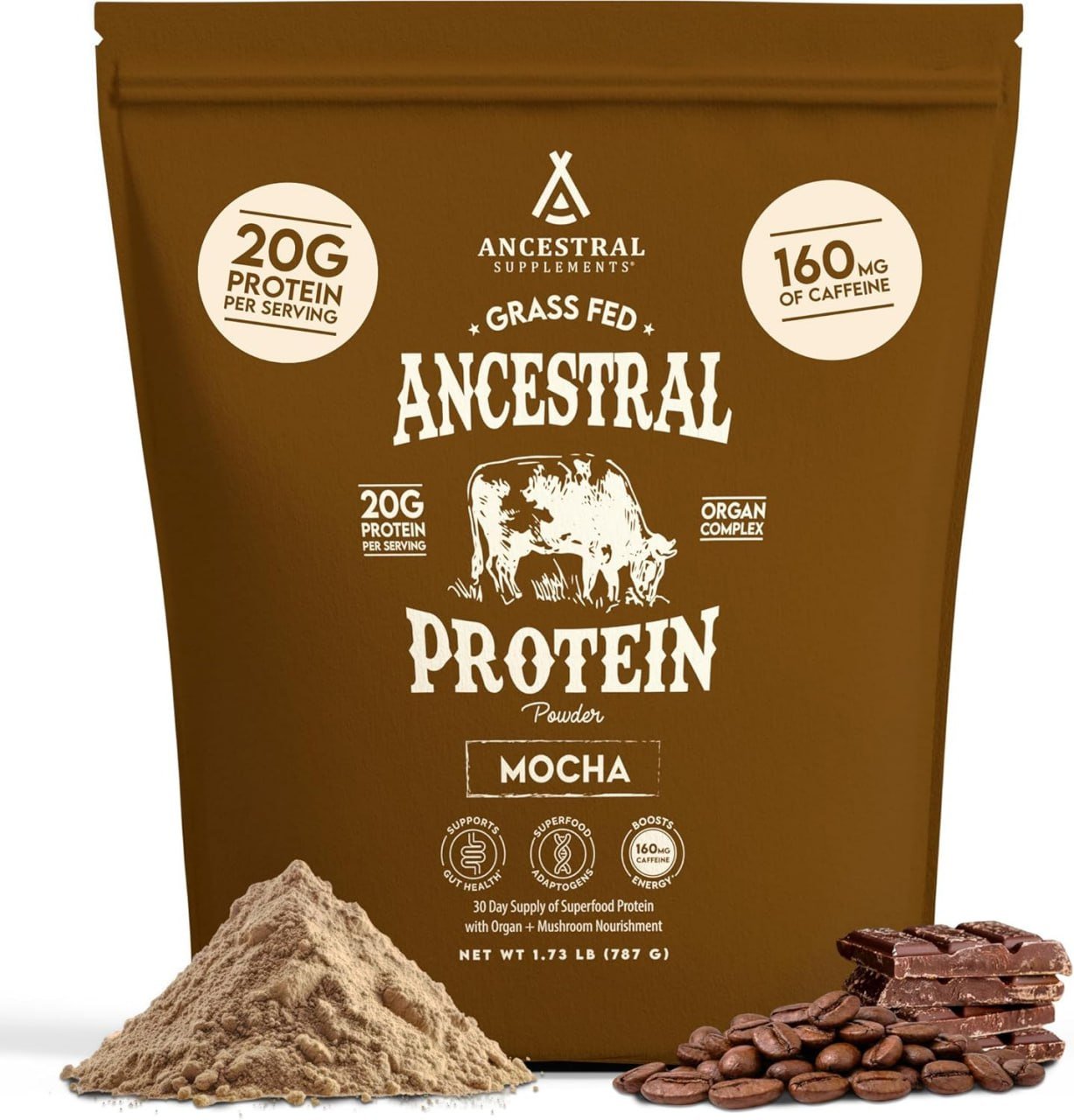
Protein from bone broth and grass-fed beef is known for its rich composition of amino acids such as glycine, proline, and lysine. These proteins, found primarily in collagen-rich connective tissue, are obtained through a slow extraction process involving prolonged cooking of bones. Compared to conventional animal protein sources, this form offers an alternative, less processed option. Moreover, protein from grass-fed beef offers a more transparent production chain and is often associated with higher standards in livestock farming.
Benefits of dietary variety and sustainability
Animal proteins from responsible sources, such as grass-fed beef, can be a valuable addition to plant-based proteins. For those who value variety in their diet, this type of protein offers an alternative to conventional whey or soy proteins. Sustainability is playing an increasingly important role in this. Grass-fed cattle graze on natural pastures, which limits the use of imported concentrates. This type of protein therefore fits within a broader shift towards conscious dietary choices.
Recent developments in the protein supplement industry
The protein supplement market is rapidly evolving. In addition to traditional shakes, more and more innovative forms are appearing, such as high-protein snacks and functional drinks. Manufacturers are also targeting specific groups, including athletes, seniors, and people with specific dietary needs. Interest in products without artificial additives is also growing. All of this contributes to the wider acceptance of alternative protein sources, including bone broth and grass-fed beef.